
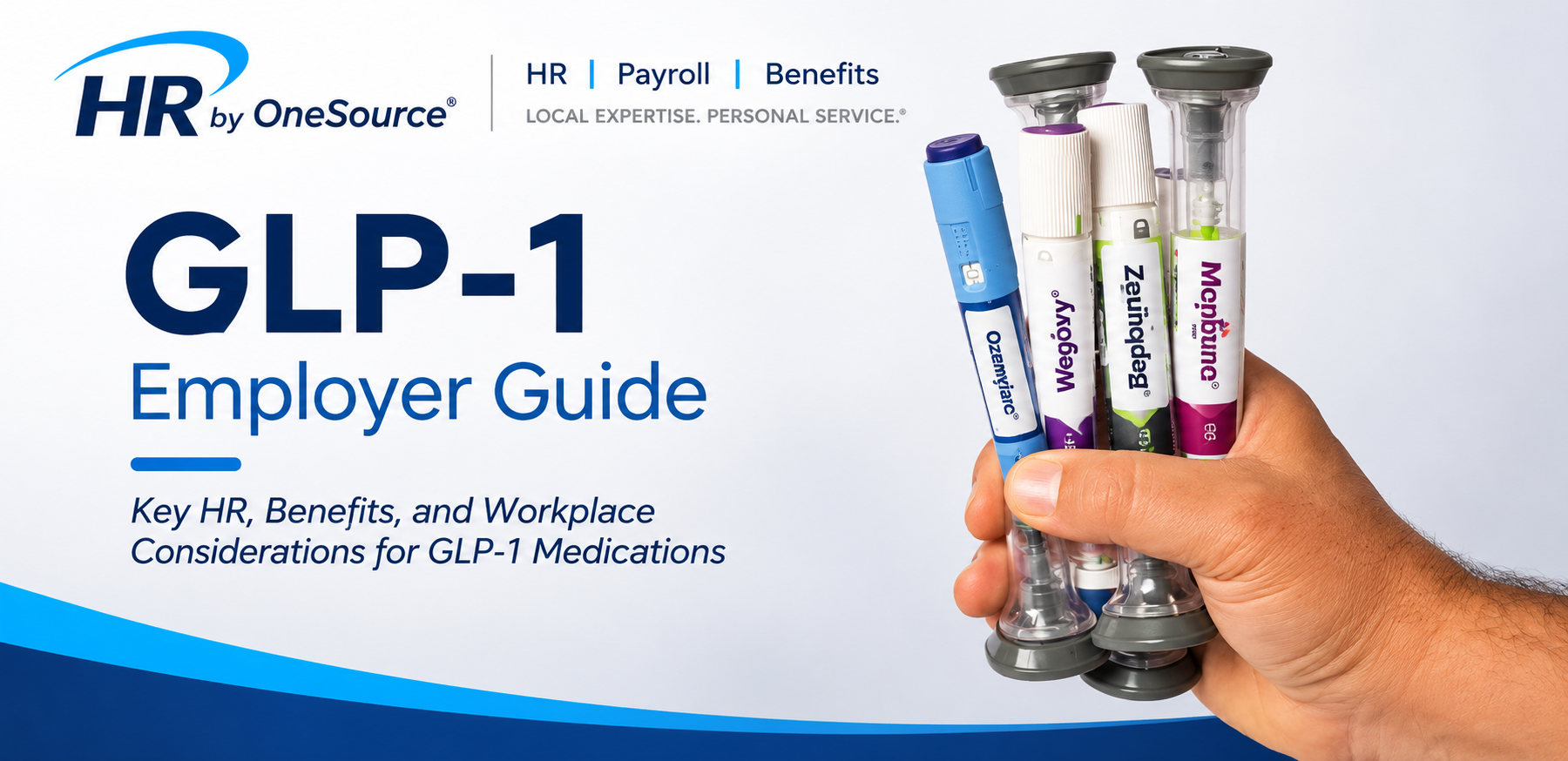
The popularity of weight loss drugs has reached a fever pitch in the United States. This trend has made its way into the workplace, with employees increasingly asking their employers about coverage for popular drugs used for weight loss, such as Wegovy or Zepbound. Other drugs intended to treat Type 2 diabetes, such as Ozempic or Mounjaro, are also in high demand for off-label weight-loss use. As a result, employers are presented with the decision of whether to cover these expensive drugs or face potential negative attraction and retention repercussions in the coming years, if not already.
This article provides a general overview of popular weight loss drugs and explores what employers should know about them.
How Obesity Impacts the Workplace
Obesity is a chronic disease that impacts 2 in 5 American adults, according to the U.S. Centers for Disease Control and Prevention (CDC). By 2030, nearly half of U.S. adults are expected to be obese. According to the latest CDC data, medical costs for adults with obesity were, on average, $1,861 higher than for adults with a healthy weight. Furthermore, the annual medical cost of obesity in the United States is almost $173 billion.
Employers have traditionally approached weight loss by promoting or even sponsoring physical wellness initiatives, including weight loss challenges, daily step competitions and biometric screenings. Addressing obesity helps individuals avoid more expensive medical treatments and can prevent the development of chronic conditions. Because of this and employees’ recent demands for weight loss drugs, many employers are searching for new approaches to help employees instead of simply paying for gym memberships, offering wellness programs or organizing weight loss competitions. By supporting efforts to lose weight and combat obesity, employers can help employees improve their overall health and reduce their odds of developing other related health conditions, such as Type 2 diabetes and high blood pressure. This can help keep employees healthier and more productive, which can also help employers lower their overall healthcare costs and improve their bottom line.
Overview of Popular Weight Loss Drugs
The recent string of popular weight loss drugs are types of glucagon-like peptide 1 (GLP-1) receptor agonists—medications originally prescribed to treat diabetes but have been shown to be effective in helping individuals to lose weight. These drugs can potentially transform the health of millions of Americans by decreasing their weight by as much as 15%; this may help treat and address several weight-related conditions, including heart conditions, diabetes and musculoskeletal issues.
These drugs work by lowering an individual’s blood sugar levels. While GLP-1 drugs have not been extensively tested on individuals with obesity, they have the side effect of sending fullness signals to the brain, which produces an anti-appetite effect leading to weight loss. However, individuals may need to take these drugs indefinitely to maintain any weight loss benefits. Other side effects include nausea, vomiting and diarrhea.
While GLP-1 drugs like Ozempic and Mounjaro are currently only approved to treat diabetes, Wegovy and Zepbound are approved by the U.S. Food and Drug Administration (FDA) to treat chronic weight management in addition to diabetes. Although Ozempic is not FDA-approved for weight loss usage, some healthcare providers have prescribed it to individuals who have difficulty losing weight through traditional means (e.g., diet). On average, GLP-1 treatment costs more than $1,000 per individual each month.
While most private health insurance doesn’t cover these obesity drugs, nearly 130 million adults would be eligible for GLP-1s because of their weight and other health conditions if they were covered (e.g., individuals with a body mass index [BMI] greater than 30 or those with a BMI greater than 27 and weight-related comorbidity), according to Bloomberg.
Medicare has begun testing coverage of certain weight-loss medications through a temporary program for eligible Part D enrollees who meet specific health criteria. Participants pay a flat monthly copay, well below the drugs’ typical cash prices. Because the program is a short-term pilot and longer-term plans are still uncertain, coverage rules and costs may change.
A new federal website, TrumpRx, will allow consumers to buy GLP-1 drugs at discounted prices from pharmaceutical companies’ websites. The website could present a viable alternative for employees who struggle to meet the eligibility requirements of their employer-sponsored health insurance plans, especially when it comes to accessing GLP-1 medications for weight loss. As the program rolls out in 2026, it could become a valuable supplement for individuals seeking options for managing obesity and other conditions for which GLP-1s are approved.
Considerations for Weight Loss Drugs
Employers have traditionally not covered weight loss drugs, but that has been changing, particularly at the largest firms. GLP-1s have grown in popularity because of their effectiveness in treating type 2 diabetes and helping with weight loss. In KFF’s 2025 Employer Health Benefits Survey, 19% of firms with 200 or more workers covered GLP-1s primarily for weight loss in their largest health plan, including 43% of firms with 5,000 or more workers, up from 28% in 2024. Since then, cost concerns have slowed that momentum. Employers surveyed in 2026 report GLP-1s making up a growing share of claims, and some have scaled back coverage or added requirements such as prior authorization, minimum BMI thresholds, or participation in a lifestyle or weight loss program.
Employee demand and rising obesity rates among U.S. adults are pushing employers to weigh comprehensive obesity care benefits, including coverage of weight loss drugs. A 2023 survey from Ro and the Obesity Action Coalition found that 51% of people with obesity would stay in a job they didn’t like if it meant keeping obesity treatment coverage, and 44% would change jobs to get it. While these medications add significant cost to health plans, coverage may help strengthen employers’ attraction and retention efforts.
Employers should consider the following when deciding whether to cover weight loss drugs.
Expensive Treatments
Prescription drugs typically drive a large percentage of an organization’s healthcare spending. Adding weight loss drugs to a health plan would likely substantially increase an employer’s healthcare expenses, especially since using drugs like Ozempic to manage weight loss is extremely expensive. Deciding to cover weight loss drugs may result in employers seeing significant spikes in their healthcare costs, especially if multiple employees receive the drugs to lose or manage their weight. For some employers, these costs may prove too difficult to absorb.
Drug Design
GLP-1 drugs were not originally designed to treat weight loss. In situations where individuals use them for this purpose, they may not be effective over the long term if used for a short period of time. Therefore, employers who cover these treatments to treat weight loss may be required to make a sustained commitment for employees to experience weight loss benefits; as a result, they’re likely to incur significantly higher healthcare costs. Employers may also want to consider these drugs’ possible side effects and the fact that they are relatively new.
Health Plan Coverage
Because many GLP-1 drugs aren’t FDA-approved for weight loss, most insurers will not cover them when used for that purpose. If they are not covered by health insurance, workers must pay out of pocket to use the drugs for weight loss. Further, most healthcare professionals will not prescribe these drugs for weight loss unless an individual is obese—meaning they have a BMI of 30 or more—and has difficulty losing weight using traditional methods. Some healthcare providers may prescribe GLP-1 drugs to individuals with obesity if they also have weight-related health conditions, such as high blood pressure. Moreover, even if an individual obtains coverage of a GLP-1 drug for weight-related treatment, it does not guarantee permanent coverage for this purpose, which could negate any weight-related benefits if they lose coverage in the future.
Prerequisites, Limits and Alternatives
As more employees ask their employers to cover these drugs, some organizations are requiring employees to participate in lifestyle modification programs as a prerequisite for coverage, while others are asking employees to participate voluntarily. According to the International Foundation of Employee Benefit Plans, utilization management is common with many employers requiring prior authorization (96%), a minimum BMI (88%) or obesity with one other chronic condition (60%). Employers who cover FDA-approved weight loss drugs may also require employees to participate in a lifestyle modification program in order to be eligible for the drugs. Additionally, some employers are placing limits on coverage of weight loss medications in terms of either dollars or duration of treatment.
Some employers are exploring alternative approaches to providing weight loss benefits to employees, including covering psychology-based weight loss programs like Noom to support employees in losing weight. In some cases, these programs offer prescriptions for obesity drugs, like Wegovy, for approximately $120 per month, as well as cheaper weight loss medications that can help reduce food cravings.
What Can Employers Do?
Since using GLP-1 drugs for weight loss is relatively new, there’s uncertainty surrounding their effectiveness for weight loss and management. As a result, some employers are adopting a wait-and-see approach before covering these drugs. Other employers have decided to permit lower-cost weight loss drugs before covering GLP-1 drugs.
Organizations can also consider alternatives to covering GLP-1 drugs. For example, weight loss programs can be an effective and affordable alternative to GLP-1 drugs. These programs can change individuals’ behavior to help workers develop lasting healthy habits and provide personalized weight loss coaching.
Summary
Many employers still consider weight loss a lifestyle problem instead of a health issue. As a result, they don’t believe weight loss drugs are medically necessary. However, as employee attitudes and demands shift, some employers may be unable to avoid a more deliberate approach to employee obesity. While it’s still uncertain whether GLP-1 drugs are effective in treating obesity, employers should monitor any developments closely and find ways to holistically improve employee wellness.
Reach out to us for healthcare resources.